Return to work
What worried me the most was if I could keep working, support myself, and stay independent, without becoming a burden to anyone because of my disability. It's really a privilege to work with something we love, and I'm really lucky to work not only in my dream job but for such a great intituition. The moment I was able to step away from my wheelchair, I was eager to go back to work. As an art photographer at Lisbon's Gulbenkian Museum, I had the opportunity to spend many hours with some incredible art pieces. It's truly special to be able to work every day with some of the greatest masters from all times. Spend the morning working with a Manet, then the afternoon with a Rembrandt or a Rodin. Shoot an ancient gold Greek coin, then change the entire studio setup to shoot a beautiful Egyptian funerary mask. Then, rearrange the lighting setup again to shoot a sculpture of Auguste Rodin. This was part of my everyday life as a photographer for the Gulbenkian Museum, and I truly missed it. I also missed my coworkers, with whom I had developed a close friendship and great energy over the years. They welcomed me back with open arms and full support, alowing me to take my time to get used to my new limitations. I had complete freedom to choose when I did my daily physical therapies, I always felt a strong support for my new condition. I am truly grateful to the Gulbenkian Foundation and all the colleagues I left there. Unfortunately, internal reorganization led to my closer team being split between the founders' museum collection and the contemporary art centre in the newly renovated building of Centro de Arte Moderna Gulbenkian (CAM). I have to say that I really enjoy working with my team; we had a great energetic connection so it was a bit sad to have to move away. On the other hand, I was starting the new CAM photo department from scratch. And that was very challenging and motivating.
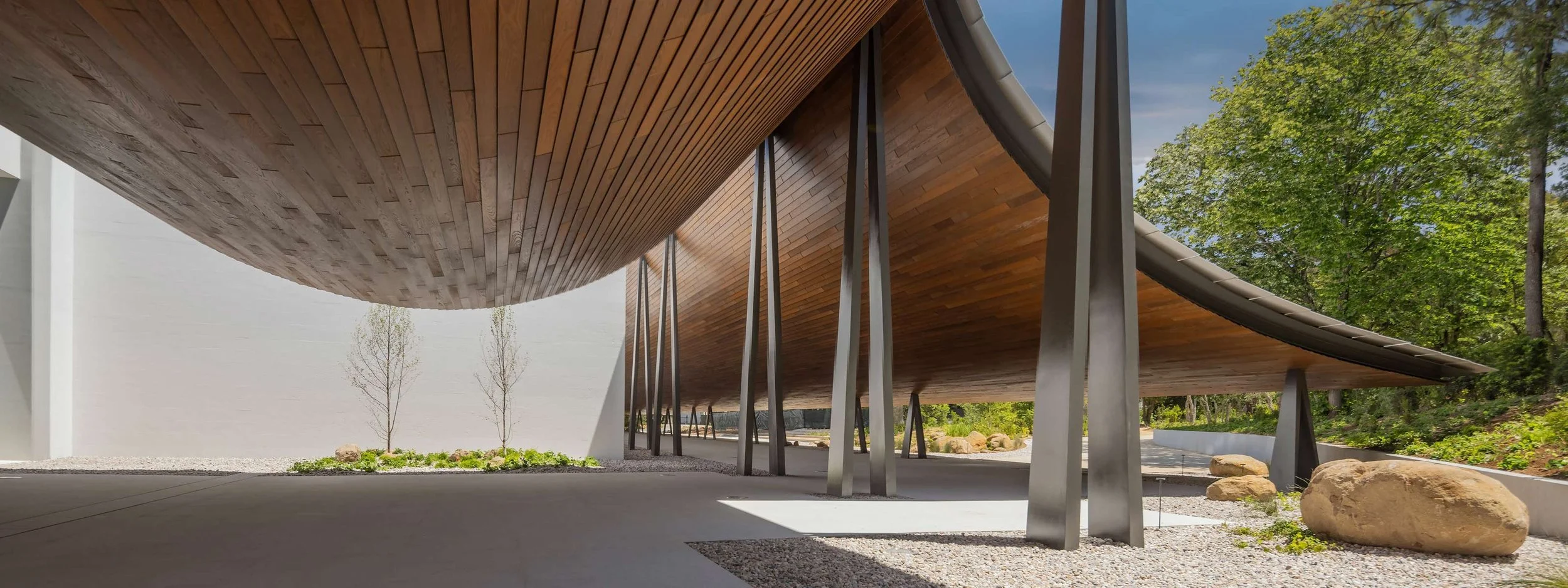
The new Centro de Arte Moderna Gulbenkian (CAM)
However, I quickly realized that I was working on my own in a new studio away from familiar faces around, which was a bit frustrating, and I was not recovering as fast as I had hoped, which only added to my frustration. Some final changes in my new team also showed me that the motto "only the best is good enough" that always characterized Gulbenkian was shifting to a more cost effective approach, including outsourcing, the demand for high quality is was not as strong as I was used to. I was offered a move to an easier function where I would not nedd to be as physical as in the studio and would work solely in the computer managing the photo archive. Although I appreciated the offer, I am a specialized photographer and I enjoy being physical in the studio, I enjoy pursuing the high-precision photos that art reproductions require. Shortly after, I was called for a medical examination by the Portuguese social security services to assess my disability and was offered an early retirement with a disability pension.
It looked like all things around me were showing me a way.
I memembered what Bernard Moitessier said in the his long way book : " There are two terrible things for a man: not to have fulfilled his dream, and to have fulfilled it.I had fulfilledc my dream of riding all latitudes of the world, I had my dream job but I still dream on sailing all longitudes, so let´s do it! I decided for the early retirement. I lost part of my monthly regular income but I gain total freedom to pursuit my dream of sailing around the world. It's time for Project Tāmata. So Now I’m not as financially comfortable as I used to be, but I’ve gained total freedom and all the time in the world to focus on my dream. Sail around the world.